


The music industry has transformed dramatically over the last two decades. Traditional promotion methods like radio airplay, print media, and live tours are now complemented—or in some cases replaced—by digital marketing, social media engagement, and streaming platforms. For artists, managers, and labels, mastering music marketing is essential to reach audiences, build a brand, and generate revenue.
At its core, music marketing is about connecting with listeners. It goes beyond selling songs—it’s about storytelling, branding, and creating experiences that resonate with fans.
The Evolution of Music Marketing
The music industry has transformed dramatically over the last two decades.
Traditional Methods
Before the internet, artists relied on:
- Radio and TV promotion to reach mass audiences
- Print media like magazines, posters, and interviews
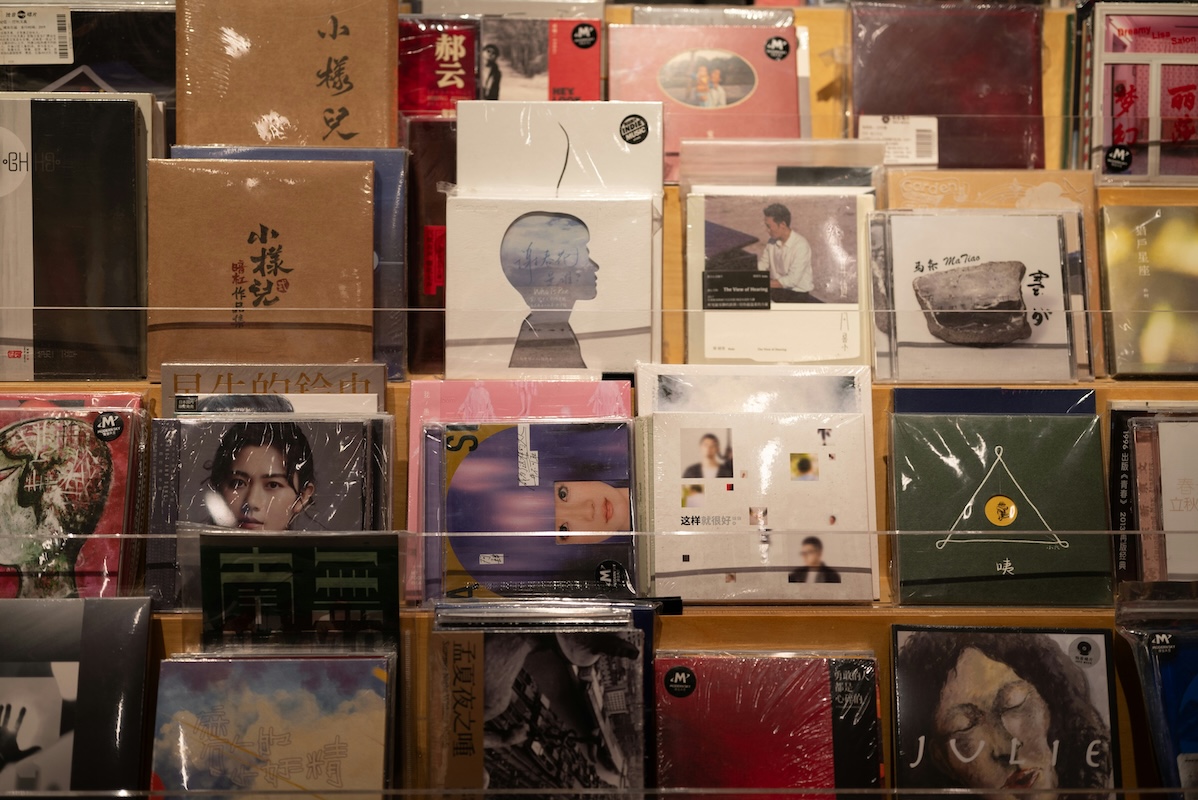
- Record store displays and release events
- Live concerts and tours to generate awareness and revenue
While effective, these methods were often costly and limited in reach. Artists depended heavily on labels and gatekeepers for exposure.
The Digital Revolution
The rise of the internet changed everything:
- Social media platforms like Instagram, TikTok, and YouTube allow direct engagement with fans.
- Streaming platforms such as Spotify, Apple Music, and SoundCloud provide global distribution and analytics.
- Email campaigns and fan clubs allow personalized communication.
- Digital advertising enables precise targeting based on demographics and listening habits.
This shift has democratized promotion, giving independent artists the ability to compete on a global scale.
Key Music Marketing Strategies
A strong brand is the foundation of successful music marketing.
1. Building an Artist Brand
A strong brand is the foundation of successful music marketing. It includes:
- Visual identity: Album covers, photos, and videos
- Narrative: Storytelling about the artist’s background and vision
- Consistency: Cohesive style across platforms
Example: Billie Eilish’s dark, edgy aesthetic complements her music, creating a unique and memorable brand.
2. Social Media Engagement
Social media is a primary marketing tool. Successful strategies include:
- Variety of content: Behind-the-scenes videos, live sessions, and short-form content
- Direct engagement: Responding to comments, hosting live Q&A sessions
- Viral campaigns: Using trends, challenges, and memes to boost reach
Example: Lil Nas X’s Old Town Road gained global traction through TikTok memes and user-generated content.
3. Streaming Platform Optimization
Streaming platforms serve as both distribution and marketing channels:
- Playlist placements increase visibility and streams
- Algorithmic recommendations can expand reach to new listeners
- Pre-saves and release campaigns generate anticipation
- Analytics from platforms like Spotify for Artists help identify listener demographics and behavior, informing targeted campaigns.
4. Video Marketing
Video content is increasingly critical:
- Official music videos provide storytelling and visual identity
- Lyric and live videos increase engagement and reach
- Short-form videos on TikTok and Instagram can drive viral trends
Example: Dua Lipa combined striking visuals on YouTube with TikTok clips to promote Future Nostalgia.
5. Influencer Collaborations
Working with influencers or other artists can expand reach:
- Cross-promotions introduce music to new audiences
- Brand partnerships enhance credibility and visibility
Example: Ed Sheeran’s collaborations with artists across genres helped him tap into diverse markets.
6. Fan Engagement and Email Marketing
Maintaining strong fan relationships is vital:
- Exclusive content like early releases and behind-the-scenes insights
- Event announcements and VIP access
- Rewards and merchandise offers incentivize loyalty
Segmenting audiences ensures personalized and relevant communication, improving engagement and retention.
7. Live Performances and Hybrid Experiences
Even in a digital-first world, live events remain important:
- Tours and festivals generate revenue and fan loyalty
- Hybrid events and live streams expand global reach
- Interactive experiences increase fan investment in the artist
Example: BTS uses live-streamed performances and fan interaction to maintain a global, engaged fanbase.
Emerging Trends in Music Marketing
This shift has democratized promotion, giving independent artists the ability to compete on a global scale.
- Short-form video virality – TikTok, Reels, and Shorts drive discovery.
- NFTs and blockchain – Unique digital assets create new revenue streams and fan experiences.
- AI-generated content – Visuals, social posts, and promotional material can now be automated.
- Globalized distribution – Streaming platforms allow instant worldwide access.
- Fan-driven campaigns – Crowdsourced ideas or remix contests engage fans creatively.
Common Mistakes to Avoid
Artists who combine creativity with strategic marketing and analytics have the best chance of long-term success.
- Ignoring analytics or fan insights
- Over-relying on a single platform
- Neglecting branding and consistent storytelling
- Underestimating fan engagement
- Skipping pre-release promotion and teasers
Tools for Music Marketing
These tools help artists plan campaigns, track results, and optimize content for maximum impact.
- Streaming analytics: Spotify for Artists, Chartmetric, Next Big Sound
- Social media: TikTok, Instagram, YouTube, Facebook
- Email & CRM: Mailchimp, ConvertKit, FanBridge
- Video creation: Adobe Premiere Pro, Canva, CapCut
Conclusion
Music marketing today is a multi-faceted, dynamic field. It requires a balance of creativity, strategic thinking, and data-driven decision-making. Successful artists and labels:
- Build strong, recognizable brands
- Engage fans across multiple channels
- Leverage analytics for targeted campaigns
- Embrace trends and emerging technologies
The ultimate goal is to connect with listeners in meaningful ways. When executed well, music marketing doesn’t just promote songs—it creates a loyal fanbase, enhances revenue, and builds a lasting artistic legacy.
In the modern music landscape, understanding marketing is as critical as creating music itself. Artists who can combine both will thrive in an increasingly competitive and globalized industry.