


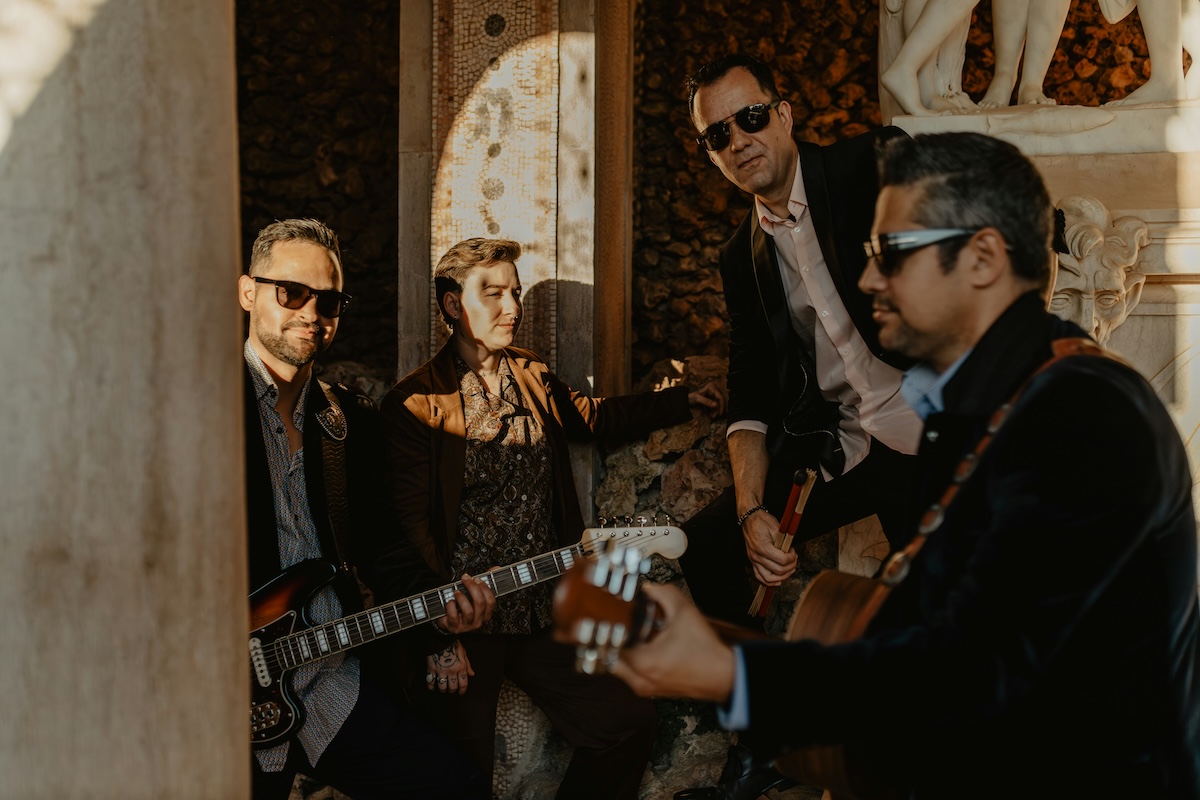
Denmark, a small yet culturally rich country in Northern Europe, has a vibrant and diverse musical landscape. Danish music reflects a mix of deep-rooted folk traditions, classical heritage, and modern innovation, producing artists and bands that resonate both locally and internationally. From the melodious strains of traditional folk instruments to chart-topping pop hits, Denmark’s musical influence continues to grow.
Historical Roots and Folk Traditions
Danish music has deep historical roots in folk traditions.
Folk songs (folkemusik) often feature storytelling, reflecting everyday life, legends, and local history. Instruments like the fiddle, accordion, and dulcimer are staples of Danish folk music, often accompanied by traditional dances such as the polka and hopsa. Folk festivals, like the Tønder Festival, celebrate this heritage and keep these traditions alive, attracting both Danish audiences and international visitors.
Classical music also has a long history in Denmark, with composers like Carl Nielsen contributing significantly to European music. Danish classical orchestras, including the Royal Danish Orchestra, have performed across Europe and continue to nurture the country’s musical talent.
Modern Pop and Rock
In contemporary music, Denmark has made a significant mark on pop, rock, and indie music.
Danish pop artists like MØ, Agnes Obel, and Oh Land have achieved international recognition for their unique styles, blending electronic sounds with catchy melodies and introspective lyrics. Rock bands such as Volbeat mix heavy metal with rockabilly influences, gaining large followings both in Denmark and abroad.
Danish music often blends traditional Scandinavian sensibilities with global trends, producing a sound that is modern yet uniquely Nordic. The combination of English-language songs and distinctive melodies helps Danish artists reach international audiences effectively.
Electronic and Dance Music
Denmark has a thriving electronic and dance music scene.
Copenhagen, Aarhus, and Odense host numerous electronic music events and clubs where local DJs and producers experiment with techno, house, and ambient sounds. Artists like København-based Trentemøller have gained worldwide acclaim for atmospheric electronic compositions that mix indie, techno, and cinematic influences. Danish electronic music often emphasizes mood and texture, distinguishing it from the high-energy EDM styles of neighboring countries like the Netherlands.
Festivals and Live Music Culture
Denmark’s music festivals play a central role in nurturing local talent and showcasing international acts.
Festivals such as Roskilde Festival, one of Europe’s largest, feature a mix of rock, pop, electronic, and world music. Smaller festivals, like NorthSide in Aarhus and the Tønder Folk Festival, focus on indie, alternative, and folk music. These festivals not only provide performance platforms but also foster cultural exchange, connecting Danish musicians with global audiences.
Live music venues in cities like Copenhagen and Aarhus further support emerging artists. Venues such as Vega and Culture Box are hubs for both local bands and touring international acts, keeping the live music scene vibrant and diverse.
For broader festival coverage and artist discoveries, explore more music festivals.
Language and Identity
While many Danish artists perform in English to reach broader audiences, Danish-language music remains popular domestically.
Singing in Danish allows musicians to maintain a strong connection with national identity and cultural heritage. This balance between English and Danish-language music helps artists navigate local relevance and international appeal simultaneously.
International Success and Influence
Danish music continues to gain recognition worldwide.
Artists like MØ and Oh Land have charted internationally, and bands like Volbeat tour globally, demonstrating that Denmark’s music scene punches above its weight. Denmark’s focus on music education, government support for the arts, and active festival culture help nurture talent and ensure long-term creative growth.
For scene updates and artist features, check Elicit’s latest music news.
Conclusion
Denmark’s music is a fascinating blend of tradition and innovation. From folk songs and classical compositions to modern pop, rock, and electronic music, Danish musicians have created a rich cultural tapestry that resonates both locally and internationally. Festivals, live venues, and global collaborations continue to expand Denmark’s musical influence, proving that even a small nation can have a significant impact on the world stage.