


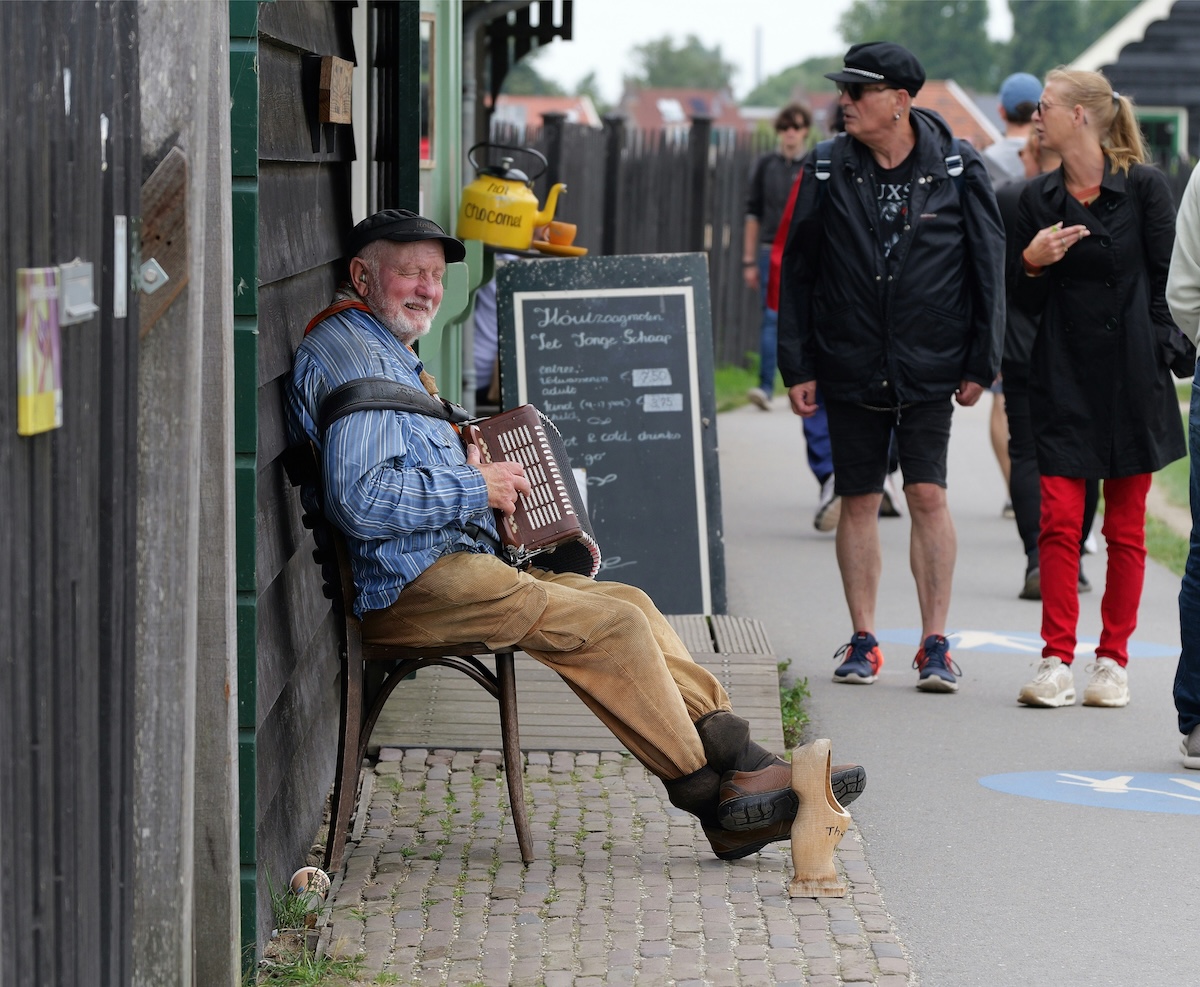
Belgium and the Netherlands, neighboring countries in Western Europe, share deep historical, linguistic, and cultural ties. Yet, their musical landscapes reveal strikingly distinct identities. From centuries-old folk traditions to cutting-edge electronic beats, Belgian and Dutch music showcase the diversity and richness of European artistry. This article explores the historical roots, popular genres, linguistic influences, festival culture, and international impact of music from both countries.
Historical Roots and Folk Traditions
Belgium’s musical heritage is deeply influenced by its multilingual society. The country is divided into three main regions: Flanders, where Dutch (Flemish) is spoken; Wallonia, which is French-speaking; and a small German-speaking community in the east. Each region developed its own musical traditions over centuries.
In Flanders, folk music is often lively and dance-oriented, with instruments like the accordion, bagpipes, and fiddles accompanying local festivals and carnivals. Walloon music, in contrast, leans toward poetic and melancholic chansons, reflecting the region’s literary and cultural traditions. Additionally, brass bands have historically played a significant role in Belgian towns such as Aalst and Bruges, accompanying parades and carnival celebrations.
Dutch folk music also has a long-standing history, characterized by regional dances and songs known as volksliedjes or the narrative-driven Levenslied, which translates to “songs about life.” These songs often tell stories of love, hardship, work, and local legends. Traditional Dutch music features instruments such as the accordion, fiddle, hurdy-gurdy, and even the wooden shoe drum (klompendans accompaniment). The Netherlands also has a rich maritime musical culture, with sea shanties historically sung by sailors along the country’s extensive coastline.
Popular Music and Global Influence
While folk traditions remain an important part of national identity, both Belgium and the Netherlands have made major contributions to modern popular music, albeit in different ways. Belgium has gained international recognition for its electronic music scene. In the late 1980s and 1990s, Belgian New Beat, techno, and electronic acts like Front 242 and Soulwax influenced the global music landscape.
Belgian electronic music is often experimental, blending industrial sounds, electronic dance beats, and even elements of pop. Artists such as Stromae have further pushed boundaries by combining hip-hop, pop, and chanson into a unique, globally appealing sound. Stromae’s lyrics, often socially conscious and poetic, showcase Belgium’s ability to fuse storytelling with modern music production.
The Netherlands, on the other hand, has become synonymous with mainstream electronic dance music (EDM). Dutch DJs like Tiësto, Armin van Buuren, and Martin Garrix are household names in the global dance music scene, dominating festival lineups and international charts. While Dutch EDM focuses heavily on high-energy beats and festival-friendly tracks, the country also produces pop and rock acts, such as Kensington, which have achieved mainstream recognition. The Dutch approach to music emphasizes large-scale productions and festival experiences, reflecting the country’s investment in music infrastructure and its global ambitions.
Language and Lyrical Identity
Language plays a pivotal role in shaping the identity of Belgian and Dutch music. Belgian artists frequently navigate a multilingual environment, performing in French, Dutch, and increasingly English to reach wider audiences. This linguistic flexibility allows Belgian musicians to appeal to diverse markets simultaneously.
For instance, Stromae often alternates between French and English in his songs, which has helped him achieve worldwide acclaim. In the Netherlands, while Dutch remains the dominant language for traditional genres like Levenslied, modern pop and electronic acts increasingly use English to reach global listeners. Nonetheless, the Dutch language retains a strong presence in folk music and local storytelling, preserving the cultural heritage of everyday life, local myths, and historical events.
Festivals and Live Music Culture
Both countries are celebrated for their vibrant festival scenes. Belgium hosts Tomorrowland, one of the world’s largest electronic music festivals, drawing fans from every continent. Rock Werchter and Pukkelpop, meanwhile, highlight alternative, rock, and indie music, demonstrating Belgium’s eclectic tastes and commitment to diverse musical genres. Live music in Belgium often blends historical venues with modern stages, creating a dynamic and immersive experience for festival-goers.
The Netherlands also boasts a lively festival culture. Pinkpop, Lowlands, and the Amsterdam Dance Event are major highlights on the European music calendar. Dutch festivals often incorporate technological innovation in stage design, lighting, and interactive audience experiences. The country’s focus on large-scale events, particularly in EDM, positions the Netherlands as a hub for both underground and mainstream music scenes.
Festival culture remains a unifying thread between the two, even as each nation curates a distinctive sound and atmosphere for fans.
Cultural and Musical Identity
While Belgium and the Netherlands share geographic proximity and some cultural overlap, their musical identities remain distinct. Belgian music thrives on linguistic diversity, experimental sounds, and the blending of electronic, pop, and chanson traditions. Dutch music emphasizes festival culture, EDM dominance, and storytelling through pop and folk songs. Both countries, however, contribute significantly to Europe’s contemporary soundscape and influence global music trends.
Conclusion
Belgium and the Netherlands provide compelling examples of how geography, language, and history shape musical identity. Belgian music is eclectic, experimental, and linguistically diverse, while Dutch music is globally influential, technologically innovative, and rooted in both folk and EDM traditions. Together, these neighboring nations highlight the richness of European music, demonstrating that shared borders do not necessarily mean shared sounds—but rather, complementary contributions to the world stage.
A short FAQ can help readers quickly compare scenes and plan festival trips.
- What is the main difference between Belgian and Dutch electronic music? Highlight Belgium’s experimental/industrial edges vs. the Netherlands’ festival-oriented EDM sound.
- Which festivals should a first-time visitor pick? Offer two-sentence guidance contrasting Tomorrowland vs. Lowlands/Pinkpop vs. Rock Werchter/Pukkelpop.
- Do most artists sing in English, Dutch, or French? Summarize language choices by genre and audience goals.
- Where can I discover emerging artists? Suggest Belgian/Dutch indie labels and local venues; mention playlists and radio shows.
- Are there notable cross-border collaborations? List 2–3 examples and what made them work.
::contentReference[oaicite:0]{index=0}